
Last reviewed: October 2026 · How we research: How We Research
Brain injuries are often called “invisible injuries.” Someone can walk away from a crash with no cuts or broken bones, pass a CT scan, and still struggle for months with headaches, memory lapses, irritability and exhaustion. Because nothing shows on the outside, these claims are easy for insurers to underestimate and hard for injured people to explain. This guide covers what a concussion and traumatic brain injury (TBI) are, how they are diagnosed, how to document symptoms, and what affects the value of a claim.
Medical first. After any blow to the head, get emergency care immediately for a headache that gets worse, repeated vomiting, slurred speech, weakness or numbness, seizures, unusual confusion or drowsiness, one pupil larger than the other, or loss of consciousness. These can be signs of bleeding in the brain.
Concussion vs. TBI: the same injury on a scale
A traumatic brain injury is any disruption of normal brain function caused by a bump, blow or jolt to the head, or a penetrating injury. A concussion is a mild TBI. The word “mild” describes the initial injury, not how much it can affect your life. Doctors often grade severity at first assessment using the Glasgow Coma Scale (GCS), which scores eye, verbal and motor responses:
GCS 13–15
Mild (concussion)
Brief or no loss of consciousness, confusion, headache. Most people recover within weeks, but some develop lasting symptoms.
GCS 9–12
Moderate
Longer loss of consciousness, often visible injury on scans. Rehabilitation and lasting cognitive effects are common.
GCS 3–8
Severe
Coma or prolonged unconsciousness. Often long-term disability and the need for lifetime care.
Brain injuries are a major public health problem. The CDC reports about 214,000 TBI-related hospitalizations in 2020 and nearly 69,500 TBI-related deaths in 2021. Those figures don’t include the much larger number of concussions treated in emergency rooms and doctors’ offices, or never treated at all. Falls and motor vehicle crashes are among the leading causes.
Why brain injury claims are hard to prove
- Normal scans. CT scans are designed to find bleeding and fractures. Most concussions don’t show on CT, or on standard MRI. A normal scan rules out an emergency; it does not rule out a brain injury.
- Delayed or subtle symptoms. Problems with concentration, memory or mood may only become clear when you return to work or school, sometimes weeks later.
- No head strike needed. Rapid acceleration and deceleration in a crash can injure the brain even if your head never hit anything. Insurers sometimes argue otherwise.
- Overlap with other conditions. Headaches, poor sleep and anxiety can have other causes, and insurers will look for them in your medical history.
- The injured person may not notice. Brain injuries can affect self-awareness. Family members often see changes first.
Track your symptoms
Doctors and lawyers both rely on an accurate account of your symptoms, and memory problems make that harder. Tick what you’ve noticed since the injury to create a summary you can copy and take to your next appointment. Update it regularly; how symptoms change over time is important evidence.
Concussion symptom tracker
Physical
Thinking and memory
Mood and behavior
Sleep
Danger signs
This tool doesn’t diagnose anything and doesn’t store your answers. Always discuss symptoms with a doctor.
How a brain injury is proven
Strong brain injury claims build a picture from several kinds of evidence, because no single test settles the question:
- Records from the scene and the ER. Notes of confusion, loss of consciousness, memory gaps about the accident, or a GCS below 15 are valuable early evidence. Paramedic reports often capture these.
- Follow-up with the right specialists. A neurologist or a concussion clinic can document symptoms over time. Vestibular therapy for balance and vision therapy add objective findings.
- Neuropsychological testing. Hours of standardized tests of memory, attention, processing speed and other functions, interpreted by a neuropsychologist. This is often the most important evidence in mild TBI cases, especially when compared with pre-injury school or work performance.
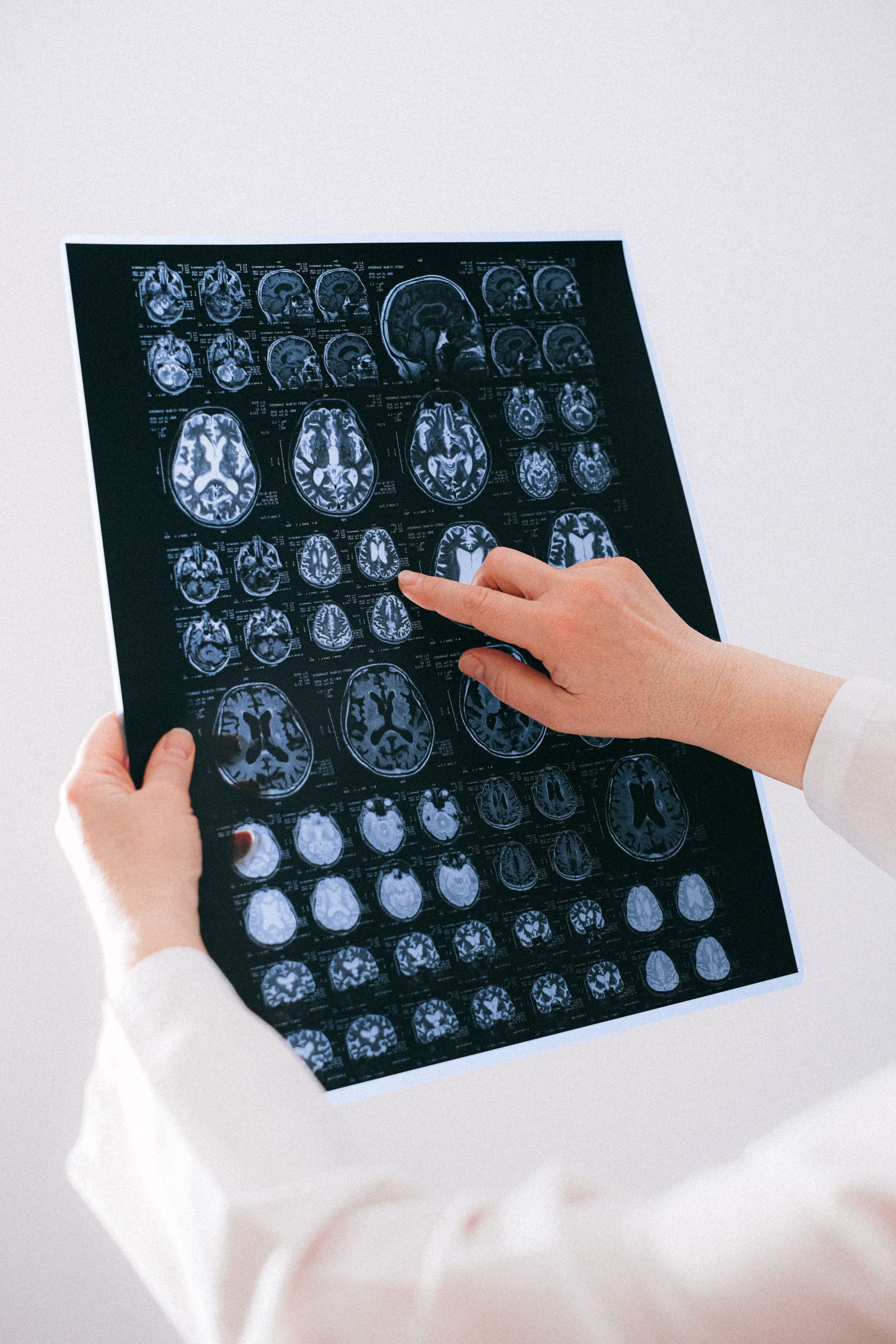
- Imaging. CT and MRI show more serious injuries. More advanced imaging techniques are sometimes used in litigation, but their reliability for individual diagnosis is disputed, and courts treat them differently.
- “Before and after” witnesses. Spouses, family, co-workers and friends describing how you’ve changed: forgetting appointments, losing your temper, struggling at work, withdrawing from activities. Juries often find these accounts the most persuasive of all.
- Work records. Performance reviews, missed deadlines, reduced hours or job loss after the injury, compared with your record before.
What affects the value of a TBI claim
Brain injury claims range more widely than almost any other injury type. A concussion with full recovery in a few weeks is typically valued like other short-term injuries. A moderate or severe TBI with permanent effects can be among the largest claims in personal injury law. The main drivers are:
- Duration of symptoms. Most people with a concussion recover within weeks, but a minority have symptoms lasting months or longer (persistent post-concussive symptoms). Lasting symptoms dramatically change a claim.
- Effect on work. Cognitive problems can end careers that depend on concentration, memory or quick decisions. Lost earning capacity is often the largest economic loss in TBI cases.
- Future care. In severe cases, lifetime care, therapy, supervision and home modifications, calculated by a life-care planner and an economist.
- Age. A brain injury in a child or young adult affects decades of education, work and life.
- Insurance and fault. As with all injury claims, the available coverage and any shared fault set practical limits. See the car accident settlement calculator and our guide to pain and suffering.
For context, the average auto bodily injury liability claim was $28,278 in 2024 (Insurance Information Institute). Documented concussions with lasting symptoms and moderate-to-severe TBIs generally sit far above that average, often limited only by the insurance available. See how settlements vary by injury.
What to do in the first weeks after a head injury
- Get evaluated the same day, even if you feel fine, and tell the doctor about any confusion, memory gap or dizziness, however brief.
- Follow your doctor’s return-to-activity plan. Current guidance favors a gradual return to normal activity rather than total rest, but going back to work, sport or screens too fast can make symptoms worse.
- Ask someone close to you to keep notes on changes they see in your mood, memory and behavior. You may not notice them yourself.
- Don’t give a recorded statement to the other driver’s insurer while you’re still confused or foggy.
- Ask for a referral to a neurologist or concussion clinic if symptoms last more than a couple of weeks.
Children, teenagers and older adults deserve extra care. Children may not be able to describe symptoms, and changes may show up as falling grades or behavior problems at school. In older adults, especially those taking blood thinners, a seemingly minor fall can cause bleeding in the brain that appears hours or days later.
Don’t settle a brain injury claim too early
Insurers sometimes make quick offers in concussion cases, before the long-term picture is clear. Once you sign a release, you can’t reopen the claim if symptoms persist. It’s usually wise to wait until your doctors can say whether you’ve recovered or what lasting effects to expect. But don’t wait so long that you miss the deadline. Check your state in our statute of limitations guide. If a brain injury affects your ability to manage the claim, a family member can help, and some states extend deadlines for people who are legally incapacitated.
Moderate and severe brain injury cases need lawyers with experience and resources for expert witnesses: neurologists, neuropsychologists, life-care planners and economists. Most work on a contingency fee; see how lawyer fees work.
Frequently asked questions
My CT scan was normal. Can I still have a brain injury claim?
Yes. Most concussions don’t appear on CT scans. A claim can be built on the medical diagnosis, documented symptoms, neuropsychological testing and witness accounts of how you’ve changed.
I didn’t hit my head. Can I have a concussion?
Yes. A sudden jolt, such as in a rear-end collision, can move the brain inside the skull enough to cause a concussion without any direct blow. Tell your doctor exactly how the accident happened.
What if I had a concussion before?
Prior concussions can make the brain more vulnerable, and under the “eggshell plaintiff” rule the at-fault party is responsible for the harm they caused even if you were more susceptible. Be open about your history with your doctors and lawyer; insurers will find it.
How long do concussion claims take?
If you recover fully within weeks, a claim may resolve within several months. Claims involving lasting symptoms take longer, often a year or more, because the full effects need time to become clear and often require expert evaluation.
Sources
- Centers for Disease Control and Prevention: Traumatic brain injury data
- CDC HEADS UP: Concussion signs and symptoms
- National Institute of Neurological Disorders and Stroke: Traumatic brain injury
- Insurance Information Institute: Facts + Statistics, Auto insurance
This guide is general information, not legal or medical advice. If you have symptoms after a head injury, see a doctor. Brain injury claims depend on medical evidence and state law; consult a personal injury lawyer licensed in your state.